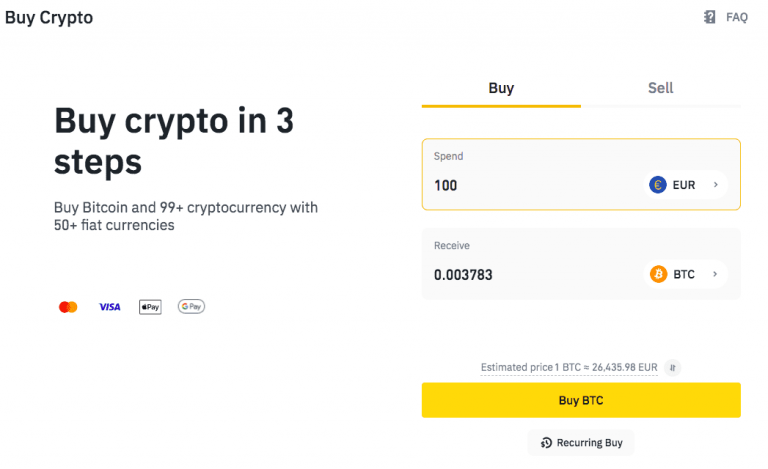
Purchasing Bitcoin with a credit card on Binance is becoming increasingly popular. This method offers a convenient way to acquire Bitcoin, but it’s essential to understand the associated risks and benefits. This guide provides a comprehensive overview of the process, from initial setup to security considerations, and compares it to alternative methods.
Navigating the world of cryptocurrency can feel daunting, but buying Bitcoin with credit cards on Binance simplifies the process. This guide demystifies the steps involved and provides essential information to make informed decisions.
Introduction to Bitcoin Purchases
Bitcoin is a decentralized digital currency, operating independently of central banks and governments. It utilizes cryptography for security and transaction verification, allowing for peer-to-peer transactions without intermediaries. Its value is determined by market forces, influenced by supply and demand, and various economic factors.Buying Bitcoin involves exchanging fiat currency (like USD, EUR) for Bitcoin on a dedicated platform. This process typically involves creating an account, verifying your identity, funding your account, and then placing an order to purchase Bitcoin.
The method chosen will depend on factors such as the desired level of security, convenience, and transaction fees.
Understanding Bitcoin Purchasing Methods
Various methods facilitate Bitcoin purchases. Direct exchanges with other users, while possible, are often less secure and more complicated than using established platforms. Major exchanges provide a secure and regulated environment for buying and selling Bitcoin.
- Exchange Platforms: These platforms act as intermediaries, connecting buyers and sellers. Binance, Coinbase, and Kraken are prominent examples. They typically offer user-friendly interfaces and robust security measures. Users deposit fiat currency into their accounts and then exchange it for Bitcoin at the current market price.
- Bitcoin ATMs: These physical machines allow users to buy Bitcoin directly using cash. They offer a more accessible way to purchase Bitcoin in certain locations but may come with higher fees and reduced security compared to exchanges.
- Peer-to-Peer (P2P) Platforms: These platforms connect buyers and sellers directly, often allowing for customized pricing and negotiation. However, they often involve a higher degree of risk as there’s no central authority to mediate disputes or guarantee transactions.
Bitcoin’s Evolution
Bitcoin’s development began with the release of the whitepaper in 2008, outlining the principles of the cryptocurrency. The initial years saw rapid adoption and price fluctuations. The introduction of Bitcoin’s blockchain technology allowed for secure and transparent record-keeping of transactions, fostering trust and acceptance. Major adoption followed, with businesses and individuals starting to use Bitcoin as a payment method.
Regulation and mainstream acceptance are ongoing processes, with regulatory landscapes varying across jurisdictions.
Comparison of Bitcoin Exchanges
The table below compares key aspects of prominent Bitcoin exchanges. Choosing the right exchange depends on individual needs and preferences. Factors like fees, security measures, and available features influence the selection process.
| Exchange | Fees | Security | Features |
|---|---|---|---|
| Binance | Generally competitive, but can vary depending on the trading volume and the specific trading pair. | Binance employs advanced security measures, including multi-factor authentication, cold storage, and fraud detection systems. Reports of security breaches are infrequent. | Wide range of trading pairs, advanced charting tools, and various order types for active traders. |
| Coinbase | Usually higher fees for trading, but lower for basic purchases. | Coinbase maintains robust security protocols, including encryption and multi-factor authentication, to protect user funds. | User-friendly interface, suitable for beginners, and a wide selection of educational resources. |
| Kraken | Competitive fees, often favorable for high-volume traders. | Kraken prioritizes security with cold storage and advanced fraud detection. Security is a key aspect of their platform. | Offers advanced trading features, such as leveraged trading, for experienced traders. |
Buying Bitcoin with Credit Cards on Binance
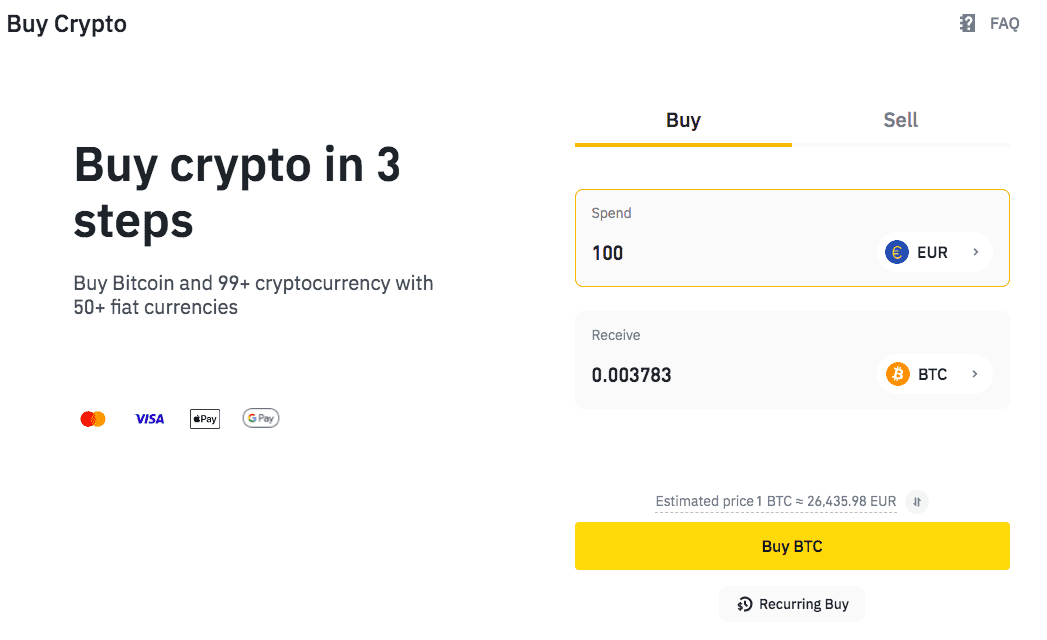
Purchasing Bitcoin using credit cards on Binance offers a convenient, albeit potentially costly, method for acquiring the cryptocurrency. This approach allows users to leverage existing credit lines to acquire Bitcoin without the need for a bank transfer. However, understanding the associated fees, security measures, and potential drawbacks is crucial for informed decision-making.Binance’s credit card option streamlines the process of buying Bitcoin.
The platform integrates with various credit card providers, enabling users to complete transactions directly within their Binance accounts. This process is generally straightforward, but users should always be mindful of the terms and conditions of their credit card and Binance’s policies.
Process of Buying Bitcoin with a Credit Card
The process for buying Bitcoin with a credit card on Binance is relatively straightforward. Users typically need to link their credit card to their Binance account. Once verified, they can initiate a Bitcoin purchase by selecting the desired amount and completing the transaction through the platform’s interface. This often involves providing necessary authorization details from the credit card provider.
Fees Associated with Credit Card Purchases
Binance typically charges fees for credit card transactions. These fees are often a combination of the credit card network’s fees and Binance’s platform fees. It’s essential to review the specific fee structure on Binance’s website to understand the exact amount. These fees can vary depending on the credit card used and the current exchange rates.
Security Measures Implemented by Binance
Binance employs robust security measures to protect user funds and transactions. These measures include two-factor authentication, advanced encryption protocols, and fraud detection systems. Binance also regularly updates its security measures to address evolving threats and protect user accounts. Transparency about these measures is crucial for users to understand the safeguards in place.
Advantages and Disadvantages of Using Credit Cards
Using credit cards to buy Bitcoin on Binance offers convenience and speed, allowing for immediate acquisition. However, the fees associated with credit card transactions can be significant compared to other methods. Users should weigh the convenience against the cost before opting for this method. High interest rates on outstanding credit card balances should also be considered.The advantages include ease of access and rapid transactions, while the disadvantages include potentially high transaction fees and the risk of accruing interest if the balance isn’t paid promptly.
Comparison with Other Purchase Methods
Other Bitcoin purchase methods, such as bank transfers, peer-to-peer exchanges, or cryptocurrency ATMs, often have different fee structures and transaction speeds. Bank transfers, for instance, tend to be slower but might involve lower fees. Peer-to-peer exchanges can offer potentially lower fees but involve a higher degree of risk. Crypto ATMs provide an alternative for those without easy access to online platforms, but they often come with limitations on transaction amounts and availability.
Step-by-Step Guide to Buying Bitcoin with a Credit Card
- Link your credit card to your Binance account. Verify the details with your credit card provider.
- Navigate to the Bitcoin purchase section on Binance.
- Specify the desired Bitcoin amount.
- Review the transaction details, including fees, and confirm the purchase.
- Monitor your Binance account for the transaction status.
Payment Options on Binance
| Payment Method | Availability | Fees |
|---|---|---|
| Credit Card | Generally available, subject to regional restrictions | Variable, dependent on credit card network and Binance’s policies |
| Debit Card | Generally available, subject to regional restrictions | Variable, dependent on debit card network and Binance’s policies |
| Bank Transfer | Widely available | Usually lower than credit/debit card fees, but slower transaction time |
Security and Risks of Buying Bitcoin
Investing in Bitcoin, like any other investment, comes with inherent risks. While Bitcoin offers potential for significant returns, understanding the security risks is crucial for safeguarding your investment. A robust security strategy is essential to protect your digital assets and avoid costly mistakes.Bitcoin’s decentralized nature, while a strength, also presents challenges. The lack of central oversight means you are responsible for your own security.
This responsibility extends to selecting trustworthy platforms and implementing strong security practices. The anonymity associated with Bitcoin can also be exploited by malicious actors, highlighting the importance of vigilance and caution.
Security Risks Associated with Bitcoin Purchases
Bitcoin transactions, while generally secure, are susceptible to various risks. These risks stem from both the inherent nature of cryptocurrency and the actions of malicious actors. The anonymity of transactions can make tracing illicit activities challenging. Also, the volatility of the market can lead to losses if not managed appropriately.
Importance of Secure Wallets and Exchanges
Secure wallets and exchanges are paramount for safeguarding your Bitcoin. Choosing a reputable exchange with robust security measures is critical. A secure wallet is crucial for storing your private keys and preventing unauthorized access. This ensures the safety of your Bitcoin from theft or loss.
Potential for Scams and Fraud
Scams targeting Bitcoin investors are prevalent. These scams often exploit the lack of regulation and the anonymity associated with cryptocurrency. Understanding the common types of scams is vital for protecting yourself.
Examples of Common Scams Targeting Bitcoin Buyers
Phishing scams, where malicious actors try to trick you into revealing your login credentials, are common. Fake investment schemes promising unrealistic returns are another tactic. These scams often use social engineering to exploit human psychology. Furthermore, fake support platforms impersonating legitimate exchanges often attempt to steal funds by requesting private keys or login information.
How to Protect Your Bitcoin Investments
Implement strong password management practices, and regularly update your software and hardware. Be wary of unsolicited emails or messages claiming to be from legitimate exchanges. Also, avoid clicking on links from unknown sources, and do not share your private keys or login credentials with anyone. Only use trusted exchanges and wallets, and keep your software updated.
Best Practices for Safeguarding Your Digital Assets
Regularly backing up your wallet and storing your private keys securely is essential. Using strong, unique passwords for all your accounts is vital. Enable two-factor authentication (2FA) on all your accounts for added security. Educate yourself about common scams and red flags to avoid becoming a victim. Limit the amount of Bitcoin you store on a single device, and use separate accounts for personal and investment purposes.
Security Recommendations
| Category | Recommendation |
|---|---|
| Password Security | Use strong, unique passwords for all accounts. Employ a password manager to generate and store complex passwords. |
| Account Security | Enable two-factor authentication (2FA) on all accounts. Be cautious of suspicious emails or messages. Regularly review your account activity. |
| Transaction Security | Double-check every transaction before confirming. Avoid clicking on suspicious links or attachments. Only use trusted and reputable exchanges. |
Alternatives to Buying Bitcoin with Credit Cards
Beyond credit cards, several other methods exist for acquiring Bitcoin. These alternatives offer varying degrees of convenience, security, and cost. Understanding these options allows for a more informed decision about the best approach for your specific needs.
Bank Transfer Methods
Bank transfers are a popular and widely accepted method for purchasing Bitcoin. This approach typically involves transferring funds from your bank account to a designated wallet controlled by the exchange platform. The process varies slightly depending on the exchange but generally follows these steps:
- Identify a reputable Bitcoin exchange that supports bank transfers.
- Create an account on the chosen exchange and verify your identity.
- Link your bank account to your exchange account. This often requires providing bank account details and undergoing a verification process.
- Initiate a bank transfer from your account to the exchange’s designated account.
- Monitor the transaction’s status and wait for confirmation from the exchange.
- Once the transfer is confirmed, the Bitcoin will be credited to your exchange account.
The advantages of using bank transfers include the availability of funds from various sources, and often faster transaction times compared to other methods. However, limitations like waiting periods for funds clearance and verification processes may occur.
Buying Bitcoin with Other Cryptocurrencies
Many exchanges permit the purchase of Bitcoin using other cryptocurrencies. This is a common practice among experienced traders and those seeking to diversify their cryptocurrency holdings. The process typically mirrors buying Bitcoin with fiat currency:
- Select a cryptocurrency exchange that supports trading between Bitcoin and other cryptocurrencies.
- Deposit the cryptocurrency you intend to use into your exchange account.
- Locate the Bitcoin/other cryptocurrency trading pair on the exchange platform.
- Place a market or limit order to buy Bitcoin using the cryptocurrency you have deposited.
- The transaction will be executed based on the current market price or the price specified in your order.
- Bitcoin will be credited to your exchange account once the trade is confirmed.
This method allows for potentially lower transaction fees compared to fiat currency transactions, especially for high-volume trades, but depends on the exchange’s fee structure. However, it’s crucial to research the exchange’s policies regarding cryptocurrency deposits and withdrawals to ensure compliance with applicable regulations.
Comparison of Bitcoin Purchase Methods
| Method | Pros | Cons |
|---|---|---|
| Credit Card | Convenience, quick transactions | Higher fees, potential security risks, limited availability |
| Bank Transfer | Lower fees, often faster transactions, greater security | Longer transaction times, varying verification requirements, bank account limitations |
| Other Cryptocurrencies | Lower fees for high-volume trades, diversification opportunities | Risk of price fluctuations for the traded cryptocurrency, potential volatility, dependence on exchange liquidity |
This table highlights the key advantages and disadvantages of each method, aiding in informed decisions.
Buying Bitcoin in General
Bitcoin, a decentralized digital currency, has gained significant traction as an investment asset. Understanding the process of purchasing Bitcoin is crucial for navigating the market and making informed decisions. This section provides a comprehensive overview of Bitcoin buying, from fundamental concepts to platform selection and market considerations.Bitcoin, unlike traditional currencies, is not issued by a central bank. Its value is determined by supply and demand, influenced by various factors like market sentiment and regulatory developments.
Understanding these forces is key to navigating the volatile Bitcoin market.
Fundamental Concepts of Bitcoin
Bitcoin operates on a decentralized ledger called the blockchain. Transactions are verified and recorded across a network of computers, ensuring transparency and security. Understanding the cryptographic principles underpinning Bitcoin is crucial for appreciating its potential and risks. Bitcoin’s scarcity, with a fixed supply, is a core element contributing to its value proposition. A unique cryptographic signature ensures the authenticity and integrity of each transaction.
Steps Involved in the Bitcoin Purchase Process
The Bitcoin purchase process typically involves these steps:
- Account Creation: Creating an account on a cryptocurrency exchange or platform, often requiring verification and KYC (Know Your Customer) procedures.
- Funding the Account: Depositing funds, typically fiat currency like USD or EUR, into the designated account on the platform.
- Bitcoin Purchase: Selecting the desired amount of Bitcoin and executing the purchase order. This involves confirming the transaction details and executing the trade.
- Receiving Bitcoin: Once the transaction is confirmed on the blockchain, the Bitcoin will be credited to the user’s designated wallet address.
- Storing Bitcoin: Storing the purchased Bitcoin securely in a digital wallet, either on the platform or in a separate offline wallet.
Factors to Consider When Choosing a Platform
Several factors influence the selection of a Bitcoin trading platform:
- Security Measures: The platform’s security protocols, including encryption and multi-factor authentication, are critical to protecting funds.
- Fees and Transaction Costs: Fees associated with Bitcoin purchases and withdrawals should be transparent and competitive.
- User Interface and Experience: A user-friendly interface facilitates ease of use and navigation.
- Customer Support: Availability and responsiveness of customer support is essential for resolving issues.
- Regulatory Compliance: The platform’s adherence to regulatory guidelines, especially in jurisdictions with strict regulations.
Bitcoin Transactions
Bitcoin transactions are recorded on the blockchain, a public and immutable ledger. Each transaction is cryptographically signed, ensuring its authenticity and integrity. Verification of transactions occurs through a consensus mechanism, like Proof-of-Work, ensuring the security and validity of the blockchain. The transaction confirmation time varies depending on network congestion.
Different Platforms Used for Bitcoin Purchases
A variety of platforms facilitate Bitcoin purchases, including:
- Cryptocurrency Exchanges: Specialized platforms for trading cryptocurrencies, such as Coinbase, Binance, and Kraken.
- Brokerage Platforms: Traditional brokerage firms sometimes offer Bitcoin trading services.
- Peer-to-Peer (P2P) Platforms: Platforms connecting buyers and sellers directly, allowing for transactions outside centralized exchanges.
Impact of Market Volatility on Bitcoin Prices
Bitcoin prices are susceptible to significant fluctuations due to market sentiment, news events, and regulatory changes. These factors can lead to both substantial gains and losses. Historical data shows periods of dramatic price swings, highlighting the volatility inherent in the cryptocurrency market. For example, the 2017 Bitcoin bull run was followed by a significant price correction.
Bitcoin Buying Process Flow Chart
[A flow chart illustrating the steps in the Bitcoin buying process would be presented here, but cannot be visually represented in text format.]The flow chart would visually represent the sequential steps from account creation to successful Bitcoin purchase, including potential roadblocks and user decisions.
Last Word
In conclusion, buying Bitcoin with a credit card on Binance offers a quick and accessible method. However, users must weigh the convenience against potential security risks. Alternative methods exist, and understanding their pros and cons is vital for responsible investment. This guide provides the necessary information for making an informed decision about your Bitcoin purchase strategy.
FAQ Explained
What are the typical fees associated with buying Bitcoin with a credit card on Binance?
Binance’s fees for credit card purchases of Bitcoin vary and can be affected by factors like the specific card type and the transaction amount. It’s recommended to check Binance’s official website for the most up-to-date fee schedule.
Are there any security measures I should be aware of when using credit cards on Binance?
Binance implements various security measures to protect user accounts, including two-factor authentication and regular security updates. However, users should also practice good security habits like strong passwords and cautious online behavior.
What are some alternatives to buying Bitcoin with a credit card?
Alternatives include using bank transfers or other cryptocurrencies to purchase Bitcoin. Each method has its own set of advantages and disadvantages, so understanding these is key before making a decision.
How do I protect my Bitcoin investments after purchase?
Storing your Bitcoin securely is crucial. Using a secure hardware wallet and following best practices for password and account security are essential steps to safeguarding your investment.